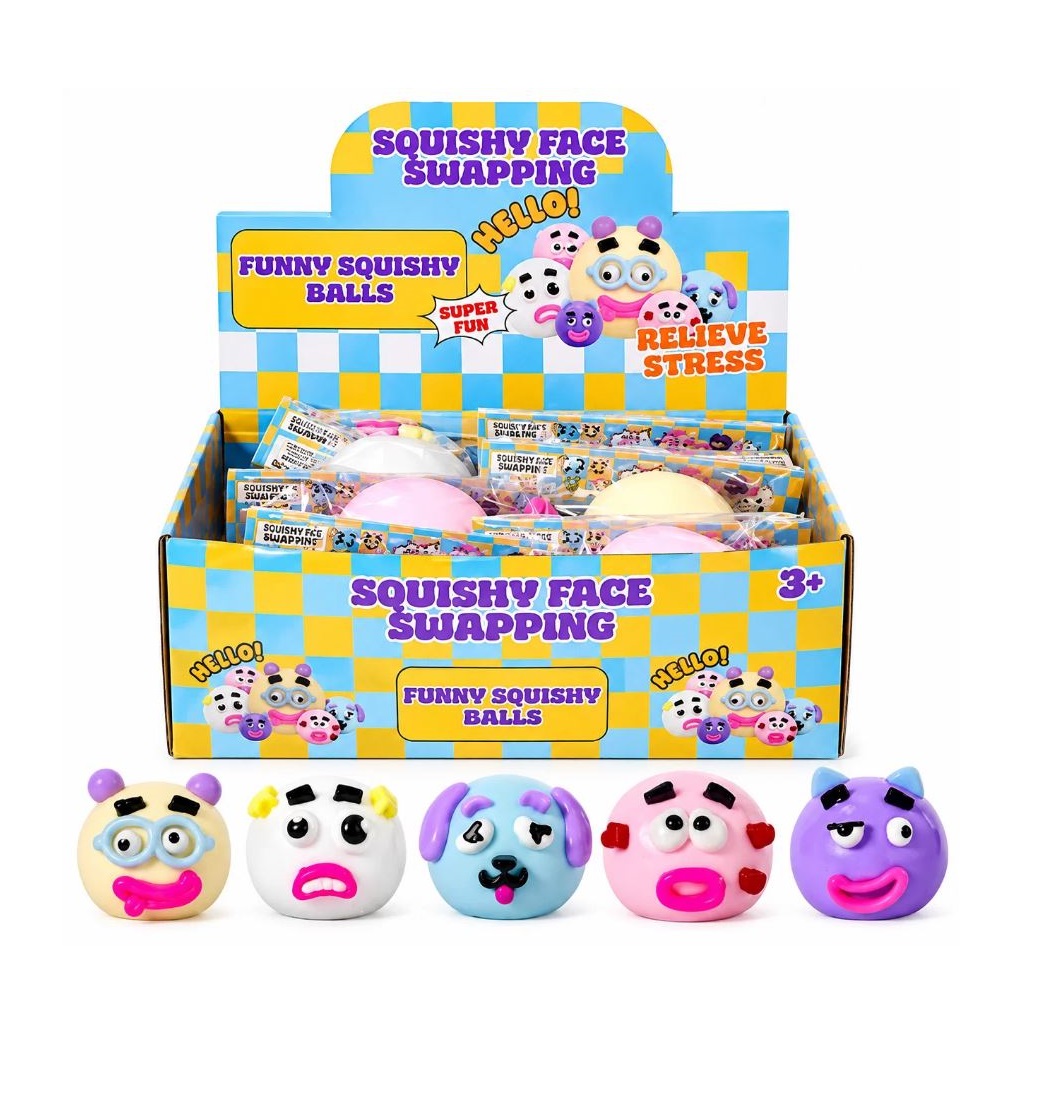
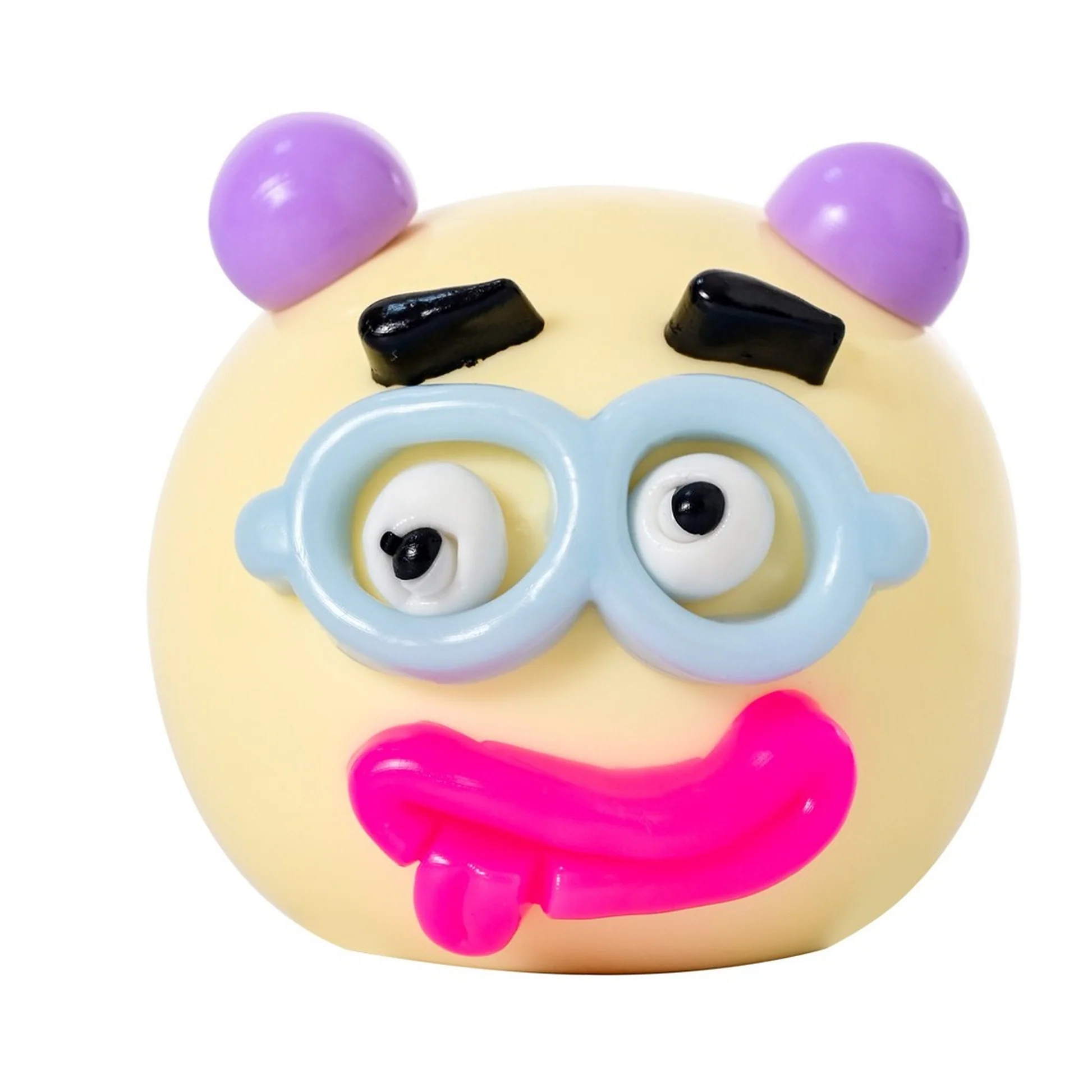
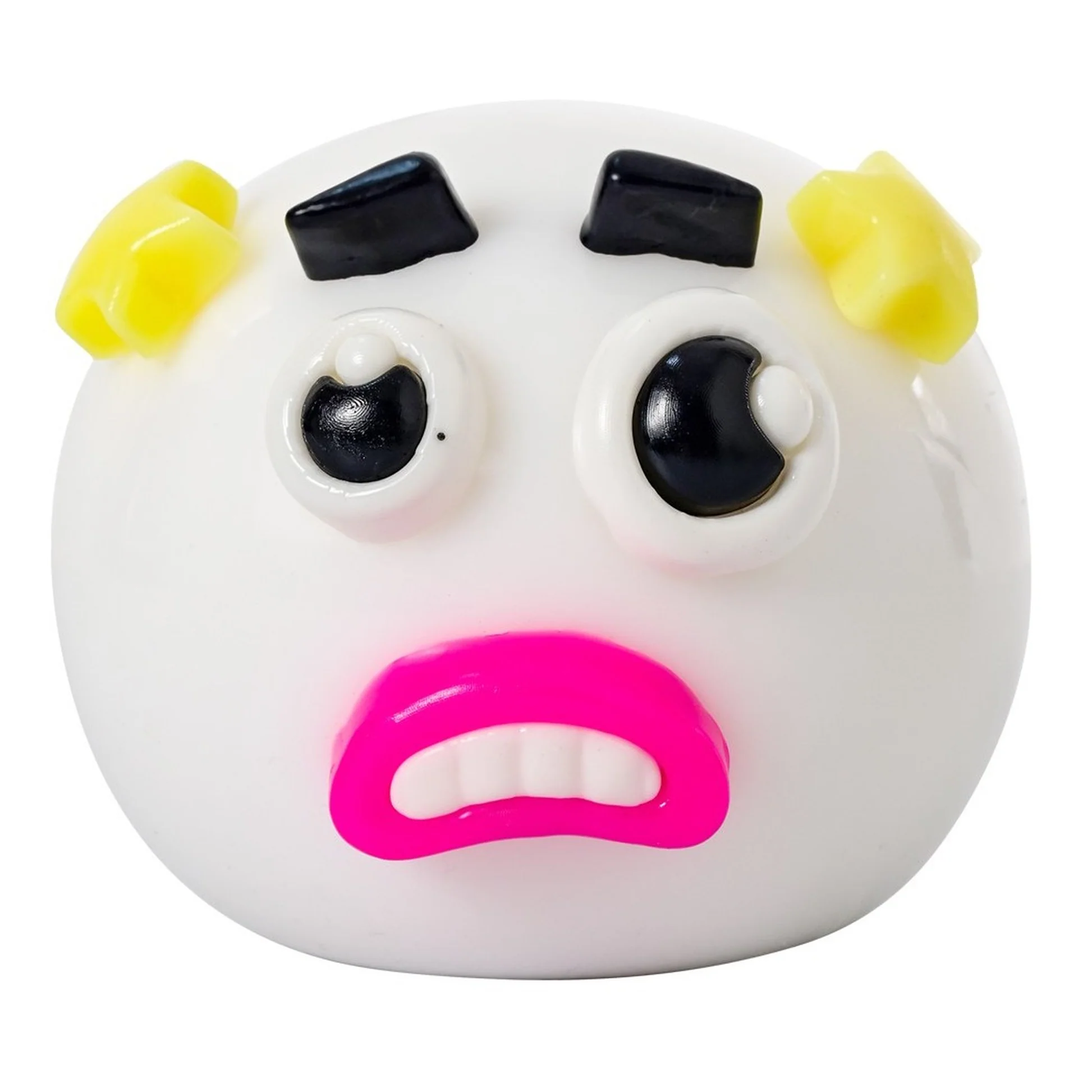
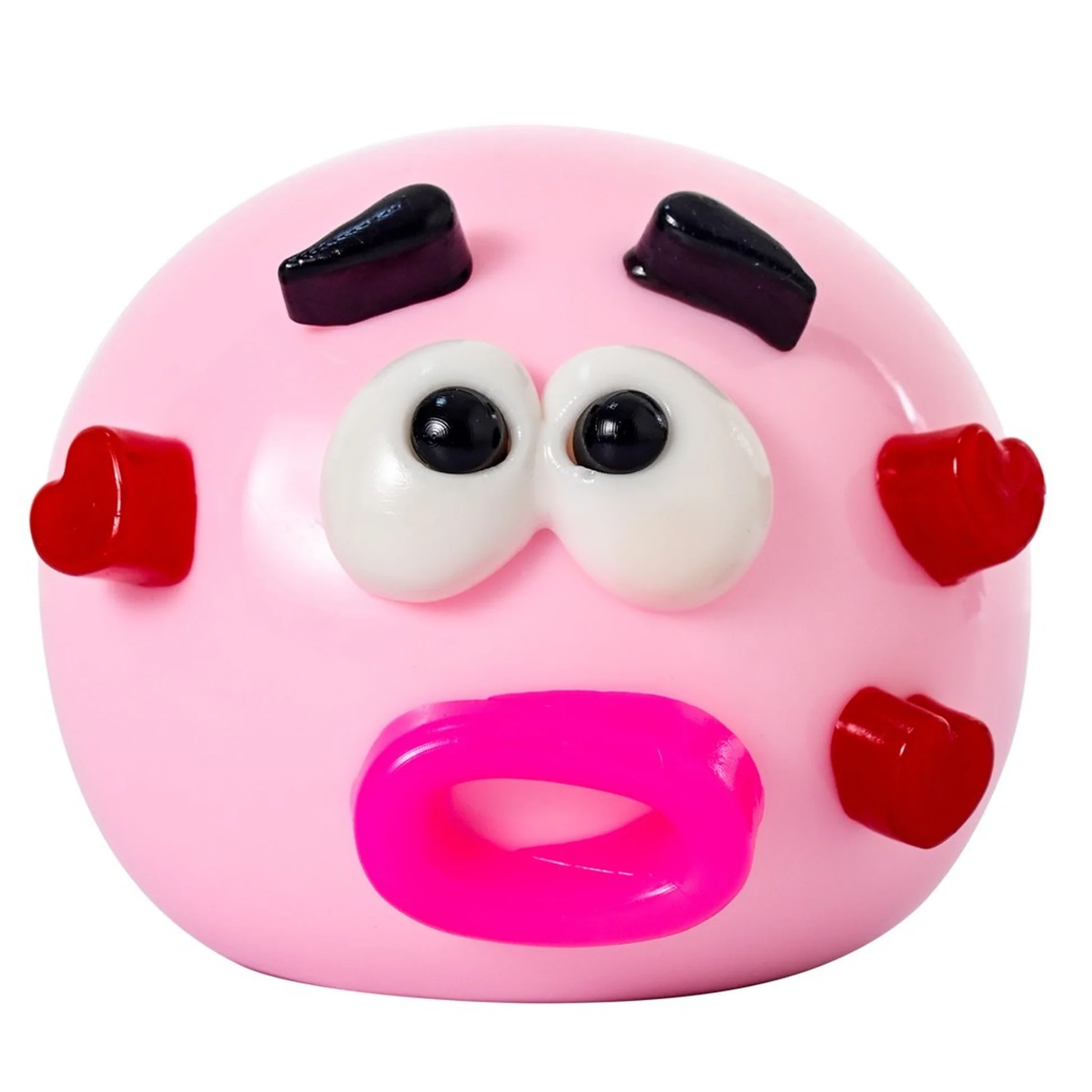
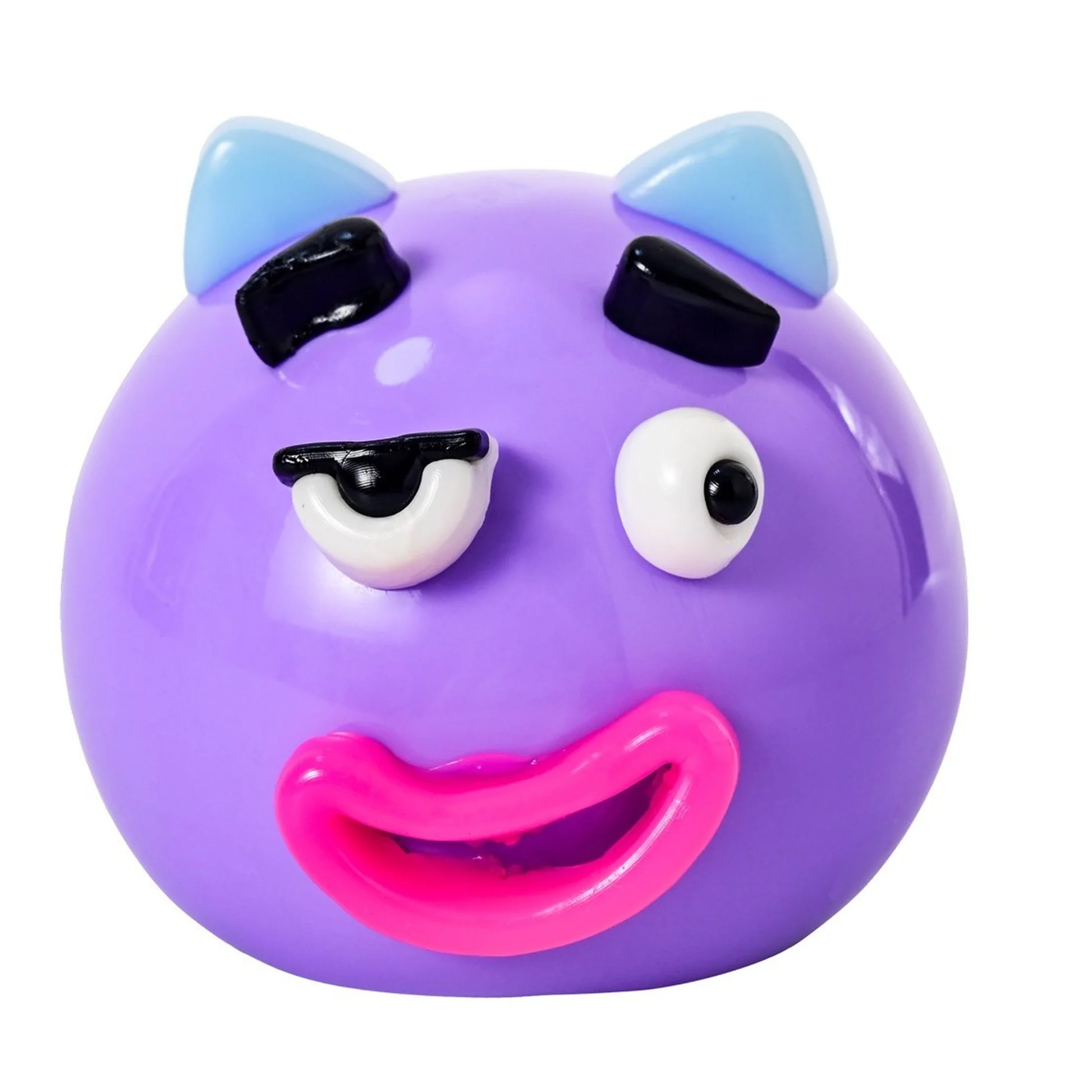
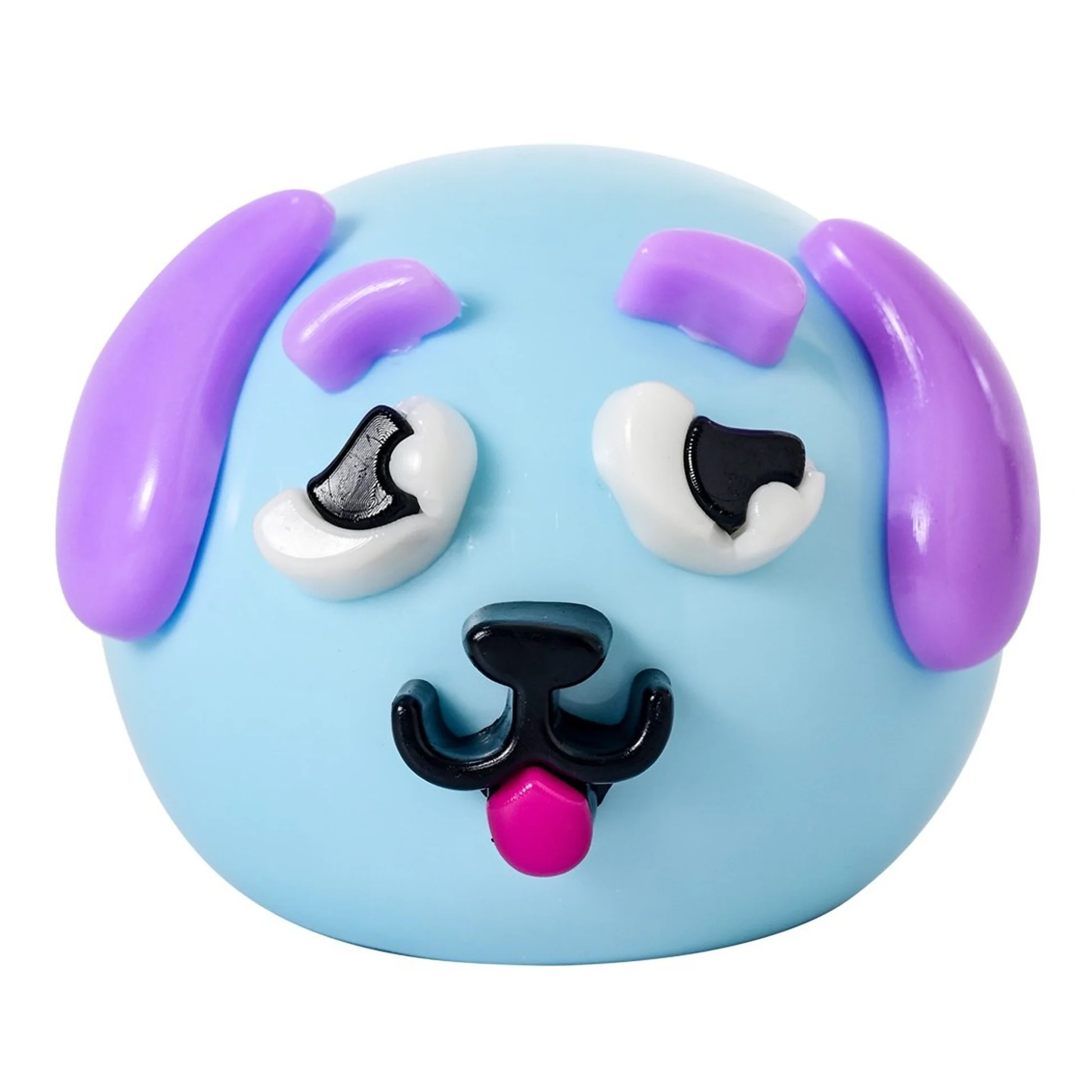
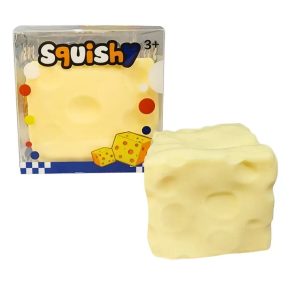
Get ready for squishy fun and silly expressions with the Face Swapping Squishy! This playful sensory fidget toy features a soft, squeezable texture and interchangeable facial features, allowing children to mix and match expressions to create funny new faces again and again.
Children can squeeze the squishy and rearrange its facial features to explore different combinations and express their creativity. The interactive design encourages imaginative play while providing an engaging tactile experience through gentle squeezing and manipulation.
The Face Swapping Squishy can also be used to introduce conversations about facial expressions and emotions. Children can explore how different faces communicate feelings such as happiness, sadness or surprise, supporting emotional awareness and social interaction through play.
Features:
- Features interchangeable facial expressions for creative face swapping
- Soft, squeezable texture for tactile exploration
- Encourages imaginative and open-ended play
- Supports fine motor skills through squeezing and repositioning facial features
- Promotes creativity, concentration and hands-on discovery
- Provides opportunities to explore facial expressions and emotions
- Suitable for fidgeting and sensory play
- A fun addition to a sensory toy collection
The Face Swapping Squishy combines tactile exploration, creativity and playful expression, giving children an enjoyable way to keep their hands busy while discovering different faces and feelings.
Safety Note: Adult supervision is recommended. Some facial pieces may be small and present a choking hazard. Avoid excessive pulling or rough handling, and discontinue use if the toy becomes damaged.
EYLF Learning Outcomes:
- Outcome 1 Children can explore different facial expressions and discuss how people may feel, supporting self-awareness and opportunities to recognise emotions.
- Outcome 2 Children can share the squishy toy with peers, take turns swapping facial features and engage in cooperative play.
- Outcome 3 Squeezing and manipulating the squishy toy provides tactile sensory experiences and opportunities to explore relaxation and emotional expression.
- Outcome 4 Children can experiment with different facial combinations, make choices, solve simple problems and explore cause and effect through hands-on play.
- Outcome 5 Children can describe facial features, name emotions, tell stories and use new vocabulary while exploring different expressions.
MTOP Learning Outcomes:
- Outcome 1 Children can express their preferences, make independent choices and explore different emotions through changing facial expressions.
- Outcome 2 Shared activities encourage cooperation, turn-taking, respect for others’ ideas and positive relationships with peers.
- Outcome 3 Sensory exploration provides opportunities for children to recognise their feelings and discover activities that they find calming or enjoyable.
- Outcome 4 Children can experiment with facial combinations, use imagination, test ideas and develop problem-solving skills during open-ended play.
- Outcome 5 Children can discuss emotions, describe facial features, create stories and communicate their ideas with educators and other children.
Developmental Milestones:
3–5 Years
- Explores different textures and facial features, practises grasping and manipulating the toy, begins identifying basic emotions and develops vocabulary through imaginative play.
6–8 Years
- Builds fine motor coordination, recognises a wider range of facial expressions, develops storytelling skills and explores how facial expressions can communicate feelings.
9–12 Years
- Uses creative thinking to design different facial combinations, develops more detailed emotional vocabulary and explores social communication, perspective-taking and collaborative play.
13–15 Years
- Can use the toy as a creative sensory resource, explore more nuanced emotional expressions, discuss non-verbal communication and participate in imaginative or stress-relieving activities according to personal interests.
Links to Theorists:
- This learning experience can be linked to Jean Piaget’s theories:
- Children can experiment with different facial combinations, explore cause and effect, and develop problem-solving skills through hands-on play.
- This learning experience can be linked to Lev Vygotsky’s theories:
- Educators and peers can encourage children to describe facial expressions, discuss emotions and develop language through guided conversations and shared play.
- This learning experience can be linked to Maria Montessori’s theories:
- Manipulating the squishy toy provides opportunities for tactile exploration, hand coordination and learning through direct sensory experiences.
- This learning experience can be linked to Albert Bandura’s theories:
- Children can observe others creating facial expressions, modelling ways to communicate emotions and participating in cooperative play.
- This learning experience can be linked to Erik Erikson’s theories:
- Imaginative activities can provide opportunities for children to express themselves, build confidence in their choices and explore social and emotional understanding.
Learning Through Play:
- The Face Swapping Squishy provides children with engaging sensory experiences that support learning through play. Its soft, squeezable texture encourages tactile exploration, helping children practise fine motor skills, hand coordination and sensory awareness through hands-on activities.
- Children can experiment with different facial expressions by swapping facial features, creating opportunities to explore emotions, develop creativity and use their imagination. They can incorporate the toy into storytelling, pretend play and emotion-recognition activities, encouraging communication, problem-solving and an understanding of how facial expressions convey feelings.
- The toy can also encourage social interaction and emotional awareness through shared play. Children can take turns creating expressions, describe how different faces might feel and discuss emotions in everyday situations. These activities provide opportunities to develop empathy, self-expression and positive relationships while allowing children to explore at their own pace.


Payments starting from $10.00 per week. 


Reviews
There are no reviews yet.